Industry Insights

Expert guidance, technical tips, and construction industry updates

The Ultimate Guide to Waterproofing Your Basement
2026-02-03
Waterproofing Solutions

The Ultimate Guide to Waterproofing Your Basement

Protecting your basement from water damage is absolutely crucial for maintaining the longevity, structural integrity, and overall value of your property. This comprehensive and detailed guide explores the full spectrum of waterproofing solutions available, from advanced exterior membrane systems to sophisticated interior sealant applications, providing step-by-step implementation strategies and expert application tips. The Critical Importance of Basement Waterproofing Basements represent one of the most vulnerable areas of any structure, constantly subjected to hydrostatic pressure, groundwater infiltration, and moisture migration from surrounding soil conditions. Understanding the fundamental principles of water behavior around foundation systems enables property owners to implement effective protective strategies that prevent costly damage and maintain healthy indoor environments. Water damage in basement areas can manifest through various mechanisms including direct infiltration through foundation walls, capillary action through concrete pores, condensation from temperature differentials, and hydrostatic pressure from groundwater levels. Each of these water sources requires specific mitigation strategies to achieve comprehensive protection. The consequences of inadequate basement waterproofing extend far beyond simple inconvenience, potentially compromising structural integrity through concrete deterioration, steel reinforcement corrosion, and foundation settlement. Additionally, moisture problems create ideal conditions for mold and mildew growth, significantly impacting indoor air quality and presenting serious health risks to occupants. Comprehensive Waterproofing System Design Exterior Waterproofing Solutions Exterior waterproofing represents the most effective approach to basement protection, creating a barrier that prevents water from reaching foundation walls in the first place. This comprehensive approach addresses water management at its source, providing superior long-term protection compared to interior-only systems. Excavation and Foundation Preparation Successful exterior waterproofing begins with complete excavation around the foundation perimeter to expose all below-grade surfaces. This process requires careful planning to ensure structural stability during excavation, proper soil management, and coordination with utility locations. Foundation surface preparation involves thorough cleaning to remove all dirt, debris, and loose materials that could compromise waterproofing adhesion. Surface defects such as cracks, holes, or rough areas must be repaired using appropriate concrete repair materials before waterproofing application. Membrane Waterproofing Systems Liquid-applied membranes provide seamless protection that conforms to complex foundation geometries. These advanced polymer systems cure to form continuous, elastic barriers that accommodate minor structural movement without compromising waterproof integrity. Sheet membrane systems offer robust protection through pre-manufactured barriers that provide consistent thickness and proven performance characteristics. Modified bitumen membranes combine traditional asphalt waterproofing with polymer modifications that enhance flexibility, durability, and temperature resistance. Rubberized asphalt membranes provide excellent adhesion to concrete substrates while offering superior elongation properties that accommodate foundation movement. These self-adhering systems simplify installation while providing reliable long-term performance. Drainage System Integration Effective exterior waterproofing requires comprehensive drainage systems that manage groundwater and surface water before it can impact foundation walls. French drain systems collect and redirect groundwater away from foundation areas, reducing hydrostatic pressure and preventing water accumulation. Drainage boards installed against foundation walls create pathways for water movement while protecting waterproofing membranes from backfill damage. These engineered systems combine filtration, drainage, and protection functions in single-component solutions. Foundation drain tiles installed at footing level provide critical drainage for deep groundwater management. These perforated pipe systems must be properly graded and connected to appropriate discharge points to ensure effective water removal. Interior Waterproofing Strategies While exterior waterproofing provides optimal protection, interior systems offer valuable supplemental protection and can be implemented when exterior access is limited or cost-prohibitive. Crystalline Waterproofing Technology Crystalline waterproofing systems penetrate concrete substrates and react with moisture to form insoluble crystals that permanently seal capillary pathways. These advanced chemical systems provide long-term protection that actually improves over time as additional crystals form in response to water exposure. These systems prove particularly effective for concrete block foundations where traditional surface coatings may not provide adequate protection. The deep penetration characteristics ensure protection even if surface coatings are damaged or wear away over time. Cementitious Waterproofing Coatings Modified cementitious coatings provide robust protection through thick, durable barriers that resist hydrostatic pressure while allowing vapor transmission. These breathable systems prevent interior moisture accumulation that could lead to condensation problems. Polymer-modified cementitious systems combine the strength and durability of cement with the flexibility and adhesion properties of advanced polymers. These hybrid systems provide superior crack-bridging capabilities and enhanced chemical resistance. Sealant and Injection Systems Crack injection systems provide targeted repair for existing foundation cracks using pressure-injection techniques. Polyurethane injection materials expand upon contact with water, creating permanent seals that prevent future water infiltration. Epoxy injection systems offer structural repair capabilities for larger cracks or areas requiring enhanced strength. These systems restore structural integrity while providing excellent water resistance. Interior Drainage Solutions Basement drainage systems manage water that enters the foundation area, preventing accumulation and directing flow to appropriate removal systems. Sump Pump Systems Properly designed sump pump systems provide reliable water removal during heavy rainfall or high groundwater conditions. Primary and backup pump configurations ensure continuous operation even during power outages or equipment failures. Submersible sump pumps offer reliable operation with minimal maintenance requirements. These sealed systems handle varying water levels while providing long service life in demanding basement environments. Pedestal pumps provide easy maintenance access and work well in applications where submersible installation is not practical. These systems offer excellent reliability and can be easily serviced or replaced when necessary. Interior Drainage Channels Perimeter drainage systems collect water at the foundation/floor interface and direct flow to sump pump systems. These engineered channels handle significant water volumes while maintaining basement floor integrity. Drain tile systems installed beneath basement floors provide comprehensive water collection and removal. These systems prove particularly effective in areas with high groundwater tables or significant hydrostatic pressure. Vapor Management and Humidity Control Effective basement waterproofing extends beyond liquid water management to include comprehensive vapor and humidity control strategies. Vapor Barrier Installation Polyethylene vapor barriers prevent moisture migration through basement floors and walls. Proper installation requires continuous coverage with sealed seams to prevent vapor infiltration. Specialized vapor barrier materials provide enhanced puncture resistance and long-term durability. These engineered systems maintain their integrity even under challenging basement conditions. Dehumidification Systems Basement dehumidifiers remove excess moisture from basement air, preventing condensation and maintaining comfortable humidity levels. Properly sized systems operate efficiently while providing consistent moisture control. Whole-house dehumidification systems integrate with HVAC systems to provide comprehensive moisture management throughout the entire structure. These systems prove particularly valuable in humid climates or homes with significant basement living space. Ventilation Strategies Natural ventilation systems promote air circulation that helps manage moisture levels and prevent stagnant air conditions that contribute to mold growth. Mechanical ventilation systems provide controlled air exchange that maintains optimal moisture levels regardless of external weather conditions. These systems can be integrated with heating and cooling systems for comprehensive climate control. Waterproofing Material Selection Advanced Membrane Technologies TPO (Thermoplastic Polyolefin) membranes offer excellent chemical resistance, UV stability, and heat-weldable seams that create monolithic waterproof barriers. These advanced materials provide superior performance in challenging environments. EPDM (Ethylene Propylene Diene Monomer) membranes provide exceptional flexibility and weather resistance. These synthetic rubber systems accommodate significant structural movement while maintaining waterproof integrity. Modified bitumen systems combine traditional asphalt waterproofing with polymer modifications that enhance performance characteristics. These systems offer excellent adhesion, flexibility, and proven long-term reliability. Sealant and Coating Systems Polyurethane sealants provide excellent adhesion and flexibility for joint sealing and crack repair applications. These advanced materials maintain their properties across wide temperature ranges while providing long-term durability. Silicone sealants offer superior weather resistance and flexibility for exposed applications. These materials maintain their elasticity throughout their service life while providing excellent chemical resistance. Acrylic coatings provide cost-effective protection for many basement waterproofing applications. These versatile materials offer good adhesion, durability, and ease of application for both professional and DIY installations. Application Techniques and Best Practices Surface Preparation Requirements Proper surface preparation represents the foundation of successful waterproofing installation. Surfaces must be clean, dry, and free of all contaminants that could compromise adhesion or performance. Concrete surfaces require specific preparation techniques including mechanical cleaning, chemical etching, or abrasive blasting to achieve optimal surface profiles for waterproofing adhesion. Moisture content testing ensures surfaces are adequately dry before waterproofing application. Excessive moisture can prevent proper curing and compromise long-term performance. Installation Procedures Temperature and humidity conditions significantly impact waterproofing installation success. Most systems require specific environmental conditions for proper application and curing. Application thickness control ensures adequate protection while preventing waste and excessive costs. Following manufacturer specifications provides optimal performance and warranty compliance. Quality control procedures during installation help identify potential problems before they compromise system performance. Regular inspection and testing ensure compliance with specifications and industry standards. Common Waterproofing Challenges and Solutions High Water Table Conditions Areas with high groundwater levels require specialized waterproofing approaches that can withstand significant hydrostatic pressure. These challenging conditions demand robust systems with proven performance under pressure. Hydrostatic pressure relief systems prevent damage from excessive water pressure while maintaining waterproof integrity. These engineered solutions manage pressure differentials that could otherwise compromise foundation systems. Clay Soil Considerations Expansive clay soils create unique challenges for basement waterproofing through their tendency to expand and contract with moisture changes. These soil movements can stress foundation systems and compromise waterproofing integrity. Flexible waterproofing systems accommodate soil movement without failure, maintaining protection throughout seasonal soil cycles. Proper system selection addresses the specific challenges presented by expansive soils. Existing Structure Retrofits Retrofitting waterproofing systems to existing structures requires specialized techniques that work within the constraints of occupied buildings. These projects demand careful planning and execution to minimize disruption while achieving effective protection. Interior waterproofing systems often provide the most practical solution for existing buildings where exterior excavation is not feasible. These systems can provide excellent protection when properly designed and installed. Maintenance and Long-Term Performance Inspection Protocols Regular inspection of waterproofing systems helps identify potential problems before they become major issues. Established inspection schedules enable proactive maintenance that extends system life and prevents costly repairs. Documentation of system condition and maintenance activities provides valuable information for future planning and warranty compliance. Preventive Maintenance Routine maintenance activities such as cleaning drainage systems, inspecting sealant joints, and monitoring equipment operation prevent minor issues from developing into major problems. Seasonal maintenance tasks address specific challenges presented by changing weather conditions and ensure optimal system performance throughout the year. Performance Monitoring Moisture monitoring systems provide early warning of potential waterproofing failures, enabling prompt corrective action before significant damage occurs. Environmental monitoring helps track basement conditions and verify that waterproofing systems are maintaining intended performance levels. Our advanced waterproofing product portfolio encompasses the complete range of basement protection solutions, from high-performance exterior membranes to sophisticated interior drainage systems. Through proper system selection, professional installation, and proactive maintenance, property owners can achieve durable and effective moisture barriers that prevent mold growth, preserve property value, and create healthier living environments for decades to come.

Read More
Choosing the Right Tile Adhesive for Every Project
2026-01-22
Tile & Stone Adhesive and Grout

Choosing the Right Tile Adhesive for Every Project

Selecting the correct tile adhesive is fundamental to achieving a successful, long-lasting, and professionally finished tiling installation. With an extensive array of adhesive options available in today's market, understanding the intricate properties and performance characteristics of different adhesive systems—including cementitious, epoxy, and dispersion adhesives—becomes crucial for project success. The Foundation of Successful Tile Installation Tile adhesive selection represents one of the most critical decisions in any tiling project, yet it's often overlooked or simplified. The wrong adhesive choice can lead to catastrophic failures including tile debonding, cracking, water damage, and costly repairs. Understanding the complex interplay between adhesive properties, substrate characteristics, tile materials, and environmental conditions enables informed decision-making that ensures long-term installation success. Modern tile installations demand superior performance across multiple criteria: exceptional bond strength, flexibility to accommodate building movement, resistance to environmental stresses, and compatibility with diverse tile materials and substrates. These requirements have driven significant innovation in adhesive technology, resulting in specialized formulations designed for specific applications and performance demands. Cementitious Adhesives: The Versatile Foundation Traditional Cement-Based Systems Cementitious adhesives represent the most widely used category of tile adhesives, offering excellent value, proven performance, and broad compatibility with most tile types and substrates. These water-mixed systems cure through hydraulic reaction, developing strong mechanical bonds with both tile and substrate. Basic cementitious adhesives typically contain Portland cement, fine aggregate, and organic additives that control working time, water retention, and bond strength. These economical systems work well for standard ceramic tile installations in interior applications with moderate performance requirements. Modified Cementitious Systems Polymer-modified cementitious adhesives incorporate latex or acrylic polymers that dramatically enhance performance characteristics. These modifications improve flexibility, bond strength, water resistance, and durability while maintaining the ease of use associated with traditional cement systems. Flexible cementitious adhesives contain higher polymer content, providing exceptional flexibility that accommodates substrate movement without bond failure. These systems prove essential for installations over plywood, concrete slabs subject to deflection, or areas experiencing thermal cycling. Rapid-setting cementitious adhesives enable accelerated installation schedules by achieving handling strength within 3-6 hours compared to 24 hours for standard systems. These specialized formulations prove invaluable for commercial projects with tight timelines or areas requiring quick return to service. Epoxy Adhesives: Maximum Performance Solutions Two-Component Epoxy Systems Epoxy adhesives deliver unmatched bond strength, chemical resistance, and durability for demanding applications. These thermosetting systems cure through chemical cross-linking, creating permanent bonds that often exceed the strength of the tile itself. Structural epoxy adhesives provide ultimate bond strength for large-format tiles, natural stone, and challenging substrates. These high-performance systems can support tile weights exceeding traditional mechanical fastening methods while providing superior long-term reliability. Chemical-resistant epoxy formulations withstand exposure to acids, bases, solvents, and other aggressive chemicals that would rapidly degrade cementitious systems. These specialized adhesives prove essential in laboratories, industrial facilities, and commercial kitchens. Single-Component Epoxy Options Premixed epoxy adhesives eliminate mixing errors while providing excellent performance characteristics. These convenient systems offer superior bond strength and durability compared to cementitious alternatives, though typically at higher material costs. Thixotropic epoxy formulations resist sagging on vertical surfaces while providing gap-filling capabilities that accommodate irregular substrates. These versatile systems work particularly well for natural stone installations where substrate preparation may be challenging. Dispersion Adhesives: Advanced Polymer Technology Acrylic and Vinyl Dispersion Systems Dispersion adhesives utilize polymer emulsions to create high-performance bonding systems with excellent flexibility and water resistance. These ready-to-use systems eliminate mixing while providing consistent performance characteristics. High-tack dispersion adhesives provide immediate grab strength that supports tiles during installation without requiring mechanical support. These convenient systems accelerate installation while reducing labor requirements, particularly for wall applications. Elastomeric dispersion adhesives offer exceptional flexibility that accommodates significant substrate movement without bond failure. These specialized systems prove essential for installations over substrates subject to thermal cycling, vibration, or structural movement. Substrate Considerations: Matching Adhesive to Base Concrete Substrate Applications Concrete represents the most common substrate for tile installations, but surface preparation and adhesive selection significantly impact performance. New concrete requires adequate curing and surface preparation to achieve optimal adhesive performance. Green concrete installations require specialized adhesives compatible with high alkalinity and potential moisture migration. Modified cementitious systems typically provide better performance than epoxies in these challenging conditions. Concrete with surface contamination, weak surface layers, or previous coatings requires aggressive preparation and specialized bonding primers to ensure adequate adhesive performance. Gypsum and Cementitious Substrates Gypsum-based substrates require careful adhesive selection due to potential sulfate reaction with certain cement systems. Specialized gypsum-compatible adhesives eliminate the risk of expansion and debonding associated with inappropriate material selection. Anhydrite screeds demand specialized primers and compatible adhesives that resist the unique chemistry of these high-performance floor systems. Standard cement adhesives may fail catastrophically on untreated anhydrite surfaces. Wood and Engineered Substrates Plywood and OSB substrates require flexible adhesives that accommodate dimensional changes from moisture and temperature variations. Polymer-modified systems provide essential flexibility while maintaining strong bonds. Fiber cement and engineered substrates may require specialized primers to achieve optimal adhesive performance. Surface porosity and moisture content significantly influence adhesive selection and application procedures. Tile Material Compatibility Ceramic and Porcelain Considerations Standard ceramic tiles typically work well with most adhesive systems, though large-format tiles require enhanced bond strength to resist gravitational forces. Back-buttering techniques become essential for tiles exceeding certain size thresholds. Porcelain tiles, particularly large-format and thin panels, demand specialized adhesives with enhanced bond strength and flexibility. Non-slip additives may be necessary for vertical installations of heavy porcelain tiles. Natural Stone Requirements Natural stone installations require careful adhesive selection to prevent staining, etching, or other compatibility issues. Light-colored stones may require white or light-colored adhesives to prevent show-through. Calcareous stones like marble and limestone may react with certain cement systems, requiring specialized formulations or epoxy adhesives. Moisture-sensitive stones demand low-permeability adhesives that prevent water migration. Granite and dense stones require aggressive surface preparation and high-strength adhesives to achieve adequate bond strength. Diamond blade scoring or specialized primers may be necessary for challenging installations. Glass and Mosaic Applications Glass tile installations require specialized adhesives with excellent clarity and non-staining properties. UV resistance becomes critical for exterior applications or areas with significant sun exposure. Metal and composite tiles demand adhesives compatible with different thermal expansion characteristics. Flexible systems prevent bond failure from differential movement between dissimilar materials. Environmental Performance Factors Water and Moisture Resistance Wet area installations require adhesives with excellent water resistance and compatibility with waterproofing systems. Continuous water exposure demands specialized formulations that maintain performance in saturated conditions. Freeze-thaw resistance becomes critical for exterior applications in cold climates. Flexible adhesives with low water absorption help prevent damage from ice crystal formation. Thermal Cycling and Movement Exterior installations experience significant temperature variations that create stress at adhesive interfaces. Flexible systems with high elongation capabilities accommodate thermal movement without bond failure. Underfloor heating systems create unique thermal stresses that require specialized adhesives designed for elevated temperature service. Standard systems may become brittle or lose bond strength at operating temperatures. Chemical and Environmental Exposure Industrial environments with chemical exposure require specialized adhesives resistant to specific contaminants. Compatibility testing becomes essential for critical applications. UV exposure can degrade certain adhesive systems, requiring specialized formulations for exterior or high-light interior applications. Application Techniques and Best Practices Surface Preparation Requirements Proper surface preparation represents the foundation of successful tile installation. Surfaces must be clean, structurally sound, and properly prepared according to adhesive manufacturer specifications. Priming requirements vary significantly between adhesive types and substrate conditions. Specialized primers may be necessary to achieve optimal performance on challenging substrates. Mixing and Application Procedures Two-component systems require precise mixing ratios and thorough blending to achieve specified performance characteristics. Mechanical mixing typically provides better results than hand mixing for critical applications. Application thickness, trowel selection, and coverage rates significantly impact adhesive performance. Following manufacturer guidelines ensures optimal bond strength and prevents installation failures. Quality Control and Testing Performance Verification Adhesion testing provides objective verification of installation quality and helps identify potential problems before they become costly failures. Pull-off testing and other standardized methods quantify bond strength. Environmental monitoring during installation ensures optimal curing conditions and prevents premature loading that could compromise bond development. Long-Term Performance Monitoring Regular inspection protocols help identify potential problems early and enable preventive maintenance that extends installation life. Documentation of installation procedures aids in troubleshooting future issues. Specialized Applications and Advanced Systems Large Format Tile Requirements Tiles exceeding 15" in any dimension require specialized adhesives and installation techniques. Enhanced bond strength and non-slip properties prevent sagging during installation. Back-buttering techniques become mandatory for large tiles to achieve full coverage and eliminate voids that could lead to cracking under load. Exterior and Structural Applications Exterior tile installations demand adhesives with exceptional weather resistance, freeze-thaw durability, and UV stability. Structural glazing systems may require certified adhesives for life-safety applications. Submarine and underwater applications require specialized adhesives that cure and perform in continuously wet conditions. Sustainability and Environmental Considerations Low-VOC and Green Building Compliance Environmentally conscious adhesive selections support LEED certification and healthy indoor air quality. Low-emission formulations reduce environmental impact without compromising performance. Recycled content and sustainable raw materials increasingly factor into adhesive selection for green building projects. Lifecycle Performance Durable adhesive selections reduce long-term maintenance requirements and environmental impact through extended service life. Initial material costs should be evaluated against total lifecycle costs. Our specialized tile adhesive portfolio encompasses the complete range of performance requirements, from economical ceramic installations to demanding natural stone and large-format applications. By understanding the complex relationships between adhesive properties, substrate characteristics, and environmental conditions, construction professionals can ensure superior bond strength, durability, and long-term performance for both residential and commercial tiling projects.

Read More
5 Common Mistakes in Concrete Repair and How to Avoid Them
2025-12-13
Concrete Repair Solutions

5 Common Mistakes in Concrete Repair and How to Avoid Them

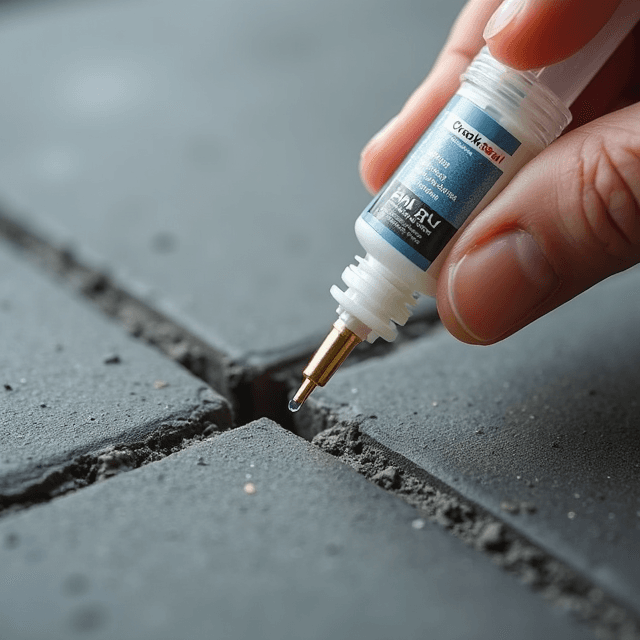
Concrete repair is a specialized field that demands precision, proper technique, and comprehensive understanding of materials and processes. Even experienced professionals can make critical mistakes that compromise repair effectiveness, longevity, and structural integrity. This comprehensive guide identifies the five most common pitfalls in concrete repair work and provides detailed strategies to avoid them, ensuring your repairs are durable, aesthetically pleasing, and structurally sound. Mistake #1: Inadequate Surface Preparation The Foundation of Failure Surface preparation is arguably the most critical aspect of any concrete repair project, yet it's frequently rushed or inadequately performed. Poor surface preparation accounts for approximately 80% of concrete repair failures, making it the leading cause of premature repair deterioration. Common Surface Preparation Errors: • Failing to remove all loose, deteriorated, or contaminated concrete • Inadequate cleaning of oil, grease, or chemical contaminants • Insufficient removal of laitance and weak surface layers • Improper roughening of smooth surfaces for mechanical bonding • Neglecting to remove chloride-contaminated concrete in corrosion-related repairs • Inadequate dust removal before repair material application Proper Surface Preparation Techniques: Mechanical Preparation Methods High-pressure water jetting (hydrodemolition) provides excellent surface preparation by removing weak concrete while leaving strong aggregate exposed. This method creates an ideal surface profile for repair material bonding while avoiding micro-cracking associated with pneumatic tools. Sandblasting and shot-blasting create uniform surface textures with excellent bonding characteristics. These methods effectively remove surface contaminants while creating the roughened profile necessary for mechanical adhesion. Chemical Preparation Considerations Acid etching can improve surface receptivity for certain repair materials, but must be followed by thorough neutralization and rinsing. Improper acid etching can weaken the concrete surface and compromise repair bonding. Specialized cleaners designed for specific contaminants (oils, chemicals, biological growth) ensure complete contamination removal without damaging the concrete substrate. Mistake #2: Incorrect Material Selection Compatibility is Critical Selecting inappropriate repair materials represents one of the most costly mistakes in concrete repair. Material compatibility involves multiple factors including thermal expansion, permeability, strength characteristics, and chemical compatibility. Common Material Selection Errors: • Using repair materials with significantly different thermal expansion coefficients • Selecting materials with incompatible permeability characteristics • Choosing repair materials with excessive strength compared to existing concrete • Failing to consider environmental exposure conditions • Ignoring long-term durability requirements • Inadequate consideration of application method compatibility Material Selection Guidelines: Thermal Compatibility Repair materials should have thermal expansion coefficients closely matching the existing concrete to prevent stress concentrations at repair interfaces. Significant mismatches can cause differential movement leading to cracking and debonding. Permeability Matching Repair materials with dramatically different permeability than existing concrete can create moisture migration problems. Low-permeability repairs on high-permeability substrates may trap moisture, leading to freeze-thaw damage or corrosion acceleration. Strength Considerations Repair materials should not be significantly stronger than existing concrete. Overly strong repairs can create stress concentrations that cause cracking in adjacent concrete. Target repair strength should typically be 10-20% higher than substrate strength. Environmental Durability Consider specific environmental exposures including freeze-thaw cycles, chemical exposure, abrasion resistance, and UV stability. Marine environments, industrial facilities, and northern climates require specialized material characteristics. Mistake #3: Inadequate Curing Procedures Curing Controls Long-Term Performance Proper curing is essential for achieving design strength, durability, and long-term performance of repair materials. Inadequate curing represents a major cause of premature repair failure and reduced service life. Common Curing Mistakes: • Insufficient curing duration for repair material requirements • Inadequate moisture retention during critical curing periods • Exposure to extreme temperatures during early curing • Premature loading of repair areas • Failure to protect repairs from rapid moisture loss • Inadequate protection from environmental extremes Optimal Curing Practices: Moisture Management Maintain adequate moisture throughout the curing period using wet burlap, plastic sheeting, curing compounds, or continuous water application. Different repair materials have specific moisture requirements during curing. Temperature Control Protect repairs from temperature extremes using insulation, heating, or cooling as required. Rapid temperature changes during early curing can cause thermal shock and compromise long-term performance. Curing Duration Allow sufficient curing time based on repair material specifications and environmental conditions. Cold weather significantly extends required curing periods, while high temperatures may accelerate early curing but require additional moisture retention. Mistake #4: Ignoring Underlying Issues Treating Symptoms Instead of Causes Successful concrete repair requires identifying and addressing root causes of deterioration. Failure to address underlying problems ensures repair failure and continued deterioration. Commonly Overlooked Issues: • Ongoing water infiltration and drainage problems • Structural loading issues causing excessive stress • Corrosion of embedded reinforcement • Alkali-silica reaction (ASR) in existing concrete • Poor original concrete quality or construction defects • Environmental exposure changes affecting concrete performance Root Cause Analysis: Water Management Identify and eliminate water sources causing concrete deterioration. This may require waterproofing, drainage improvements, joint sealing, or structural modifications to redirect water flow. Structural Assessment Evaluate structural loading conditions and modify as necessary to prevent recurring damage. This may involve load redistribution, structural strengthening, or design modifications. Corrosion Investigation Assess reinforcement corrosion extent and implement appropriate protection strategies including cathodic protection, corrosion inhibitors, or reinforcement replacement. Mistake #5: Poor Quality Control and Testing Verification Ensures Success Adequate quality control and testing throughout the repair process helps identify problems early and ensures specifications are met. Poor quality control often leads to expensive rework and extended project timelines. Common Quality Control Deficiencies: • Insufficient material testing and verification • Inadequate documentation of repair procedures • Poor environmental monitoring during critical operations • Insufficient inspection during application • Inadequate post-repair performance evaluation • Poor coordination between different repair activities Comprehensive Quality Control Programs: Pre-Repair Testing Conduct thorough condition assessment including core testing, half-cell potential mapping, chloride content analysis, and carbonation depth measurement. This baseline data guides repair design and material selection. Material Quality Verification Test all repair materials for compliance with specifications including strength development, workability, and setting characteristics. Maintain detailed batch records and testing documentation. Application Monitoring Continuously monitor environmental conditions during repair application including temperature, humidity, and wind conditions. Document any deviations from specified conditions and implement corrective measures. Post-Repair Evaluation Conduct comprehensive post-repair inspection including adhesion testing, strength verification, and durability assessment. Establish long-term monitoring protocols for critical repairs. Advanced Repair Strategies and Technologies Electrochemical Repair Methods Cathodic protection systems provide long-term corrosion control for reinforced concrete structures. These systems can be designed for new installations or retrofitted to existing structures experiencing corrosion problems. Electrochemical chloride extraction temporarily reverses the corrosion process by extracting chlorides from concrete surrounding reinforcement. This technique can extend service life when combined with appropriate repair strategies. High-Performance Repair Materials Ultra-high-performance concrete (UHPC) provides exceptional strength and durability for demanding repair applications. These materials offer superior resistance to environmental exposure while maintaining excellent bonding characteristics. Polymer-modified repair materials combine the strength of cement with the flexibility and chemical resistance of polymers. These hybrid systems provide enhanced performance in challenging environments. Sustainable Repair Practices Environmentally conscious repair practices include using recycled materials, minimizing waste generation, and selecting low-emission repair products. These approaches reduce environmental impact while maintaining performance standards. Lifecycle cost analysis helps optimize repair strategies by considering long-term maintenance requirements, service life expectations, and environmental impacts throughout the structure's service life. Quality Assurance and Long-Term Success Documentation and Record Keeping Maintain comprehensive repair records including original condition assessment, repair design rationale, material specifications, application procedures, and post-repair evaluation results. This documentation proves valuable for future maintenance planning and warranty considerations. Performance Monitoring Establish monitoring protocols to track repair performance over time. Regular inspections help identify potential problems early and provide data for optimizing future repair strategies. Our high-performance concrete repair solutions are specifically designed to address these common challenges while simplifying the repair process. By understanding and avoiding these critical mistakes, construction professionals can achieve durable, long-lasting concrete repairs that provide excellent value and performance throughout their service life.

Read More
Innovations in Industrial Flooring: What's New?
2025-11-07
Flooring Solutions

Innovations in Industrial Flooring: What's New?

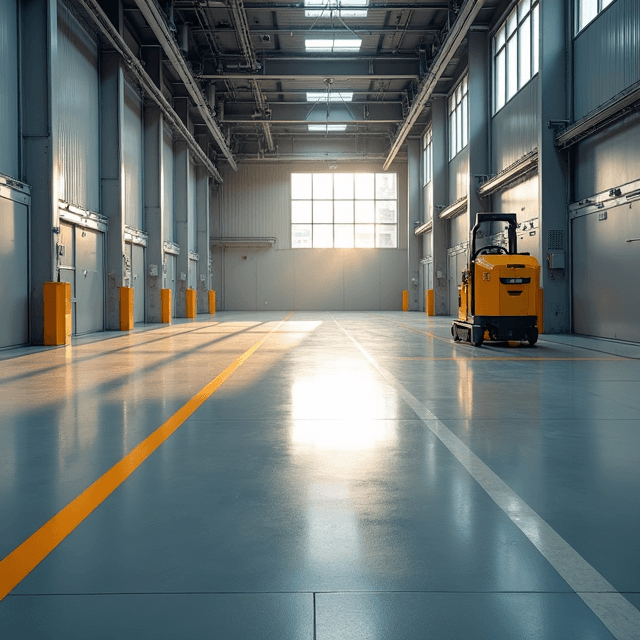
The world of industrial flooring is constantly evolving, with groundbreaking technologies and advanced materials emerging to meet the increasingly demanding requirements of modern industrial facilities. This comprehensive exploration examines the latest innovations revolutionizing industrial flooring systems, from next-generation epoxy and polyurethane formulations to specialized coatings engineered for extreme operational conditions. The Evolution of Industrial Flooring Requirements Modern industrial facilities face unprecedented challenges that traditional flooring systems struggle to address. Increasing production demands, stricter safety regulations, environmental considerations, and the need for minimal downtime have driven the development of advanced flooring solutions that deliver superior performance across multiple criteria. Today's industrial environments require flooring systems that can withstand heavy machinery loads, resist chemical spills, provide safe working surfaces, cure rapidly to minimize production interruptions, and contribute to sustainable operations. These multifaceted requirements have sparked innovation across every aspect of industrial flooring technology. Advanced Epoxy Systems: Setting New Performance Standards Next-Generation Resin Technology Modern epoxy systems incorporate revolutionary resin chemistry that delivers unprecedented performance characteristics. Advanced cross-linking mechanisms create molecular structures with superior mechanical properties, enhanced chemical resistance, and improved thermal stability. These innovations enable epoxy floors to maintain their integrity under extreme conditions that would compromise traditional systems. Novolac epoxy systems represent a significant advancement in chemical resistance technology. These specialized formulations can withstand exposure to concentrated acids, caustics, and organic solvents that would rapidly degrade conventional epoxy coatings. The enhanced molecular density of novolac systems provides exceptional barrier properties while maintaining excellent adhesion to concrete substrates. Self-Leveling and High-Build Capabilities Innovative self-leveling epoxy systems eliminate the need for extensive substrate preparation while creating perfectly level surfaces even over irregular concrete. These advanced formulations flow to create uniform thickness profiles, reducing installation time and labor costs while ensuring optimal performance across the entire floor area. High-build epoxy systems can be applied in single coats up to 1/4 inch thick, dramatically reducing installation time compared to traditional multi-coat systems. These innovative formulations maintain excellent flow characteristics while providing superior impact resistance and durability. Polyurethane Innovations: Flexibility Meets Durability Aliphatic Polyurethane Technology Advanced aliphatic polyurethane systems offer exceptional UV stability, making them ideal for facilities with natural lighting or outdoor exposure. Unlike aromatic systems that yellow under UV exposure, aliphatic formulations maintain color stability and surface integrity throughout their service life. These systems provide superior flexibility compared to epoxy, allowing them to accommodate building movement and thermal cycling without cracking. This characteristic makes polyurethane systems particularly valuable in facilities subject to temperature variations or structural movement. Hybrid System Integration Innovative hybrid systems combine the best characteristics of epoxy and polyurethane technologies. These multi-layer systems typically feature epoxy primer and base coats for excellent adhesion and chemical resistance, topped with polyurethane finish coats that provide superior flexibility, UV resistance, and aesthetic durability. Specialized Coatings for Extreme Conditions High-Temperature Resistance Advanced ceramic-modified coatings can withstand continuous exposure to temperatures exceeding 400°F while maintaining structural integrity and chemical resistance. These specialized systems incorporate ceramic microspheres and advanced resins that create thermal barriers protecting the underlying concrete substrate. Cryogenic applications require specialized formulations that remain flexible at extremely low temperatures. Advanced polyurethane and modified epoxy systems maintain their mechanical properties down to -100°F, preventing thermal shock failures common with traditional coatings. Electrical Conductivity Management Static-dissipative and conductive flooring systems address electrostatic discharge concerns in sensitive manufacturing environments. Advanced conductive additives create controlled electrical pathways that safely dissipate static charges while maintaining the chemical and mechanical properties expected from industrial flooring systems. Enhanced Chemical Resistance: Beyond Traditional Protection Multi-Barrier Technology Innovative multi-barrier systems incorporate multiple layers with different chemical resistance profiles, creating comprehensive protection against diverse chemical exposures. These systems can simultaneously resist acids, bases, organic solvents, and oxidizing agents that would require separate specialized coatings in traditional approaches. Advanced glass flake technology creates tortuous pathways that dramatically reduce chemical permeation rates. These systems provide long-term chemical resistance even under continuous exposure conditions, extending service life and reducing maintenance requirements. Biological Resistance Specialized antimicrobial additives integrated into flooring systems provide long-term protection against bacterial, fungal, and viral contamination. These innovations prove particularly valuable in pharmaceutical, food processing, and healthcare facility applications where biological contamination poses significant risks. Slip Safety Innovations: Protecting Workers Micro-Texture Technology Advanced surface texturing technologies create controlled micro-roughness that provides excellent slip resistance while remaining easy to clean. These systems maintain their slip-resistant properties even when wet with oils, chemicals, or other contaminants common in industrial environments. Self-Cleaning Surface Technology Innovative photocatalytic additives create surfaces that break down organic contaminants when exposed to light, maintaining cleanliness and slip resistance with minimal maintenance. These advanced systems prove particularly valuable in facilities where traditional cleaning may be challenging or hazardous. Rapid Curing Technologies: Minimizing Downtime UV-Curable Systems Ultraviolet-curable flooring systems cure within minutes of UV exposure, enabling return to service in hours rather than days. These systems prove invaluable for critical facility upgrades or emergency repairs where extended downtime would severely impact operations. Moisture-Insensitive Formulations Advanced moisture-insensitive systems can be applied to concrete with elevated moisture content, eliminating lengthy moisture testing and mitigation procedures. These innovations dramatically reduce project timelines while ensuring long-term adhesion and performance. Sustainable Flooring Options: Environmental Responsibility Low-VOC and Zero-VOC Formulations Advanced water-based and 100% solids systems eliminate volatile organic compound emissions during installation and service, improving indoor air quality and reducing environmental impact. These formulations meet the most stringent environmental regulations while delivering performance equal to traditional solvent-based systems. Recycled Content Integration Innovative systems incorporate significant percentages of recycled materials without compromising performance. Post-consumer recycled content and industrial waste streams are transformed into high-performance flooring components, supporting circular economy principles. Bio-Based Raw Materials Advanced bio-based resins derived from renewable plant sources reduce dependence on petroleum-based chemicals while maintaining the performance characteristics required for demanding industrial applications. Smart Flooring Technologies: The Digital Integration Embedded Sensor Technology Cutting-edge flooring systems can incorporate embedded sensors that monitor temperature, humidity, chemical exposure, and structural stress in real-time. These smart systems provide early warning of potential problems and enable predictive maintenance strategies. Wireless Charging Integration Innovative flooring systems can integrate wireless charging capabilities for mobile equipment and devices, eliminating the need for separate charging infrastructure in modern industrial facilities. Performance Optimization and Lifecycle Benefits Predictive Analytics Advanced modeling and analytics tools help facility managers select optimal flooring systems based on specific operational requirements, environmental conditions, and lifecycle cost considerations. These tools consider factors such as traffic patterns, chemical exposures, temperature cycling, and maintenance schedules to recommend optimal solutions. Lifecycle Cost Analysis Modern flooring innovations focus on total cost of ownership rather than initial installation cost. Advanced systems that cost more initially often provide significant savings through reduced maintenance, extended service life, and improved operational efficiency. Maintenance Revolution: Easier Care, Longer Life Self-Healing Technology Emerging self-healing flooring systems can automatically repair minor damage through advanced polymer chemistry that responds to heat or moisture exposure. These systems significantly extend service life while reducing maintenance requirements. Non-Stick Surface Technology Advanced surface treatments create nearly non-stick properties that prevent adhesion of many common industrial contaminants, dramatically simplifying cleaning and maintenance procedures. Future Trends and Emerging Technologies Nanotechnology Applications Nanotechnology integration promises even greater performance improvements through precise control of material properties at the molecular level. Nanoparticle additives can enhance strength, chemical resistance, and surface properties while maintaining the ease of application expected from traditional systems. Artificial Intelligence Integration AI-powered systems will eventually monitor flooring performance, predict maintenance needs, and automatically adjust properties based on changing operational requirements. These systems represent the future of truly intelligent infrastructure. Our comprehensive range of advanced industrial flooring solutions demonstrates that innovation continues to drive performance improvements across every aspect of industrial floor systems. From enhanced chemical resistance and improved safety to rapid installation and environmental sustainability, these advancements enable modern facilities to optimize performance, durability, and operational efficiency while meeting the evolving demands of industrial operations.

Read More
Maximizing Efficiency with Material Coverage Calculators
2025-10-19
Resources

Maximizing Efficiency with Material Coverage Calculators

In construction, accurate material estimation is the cornerstone of successful project management, directly impacting costs, timeline, and waste reduction. Our advanced material coverage calculator represents a revolutionary tool designed to streamline project planning and eliminate the guesswork from material ordering. The Challenge of Accurate Material Estimation Material estimation has historically been one of the most challenging aspects of construction project management. Traditional methods often rely on rough calculations, rule-of-thumb estimates, and experience-based guesswork, leading to significant variations in accuracy. Over-ordering results in unnecessary costs and storage issues, while under-ordering causes project delays, emergency purchases at premium prices, and frustrated stakeholders. The financial impact of poor material estimation extends beyond immediate costs. Excess materials tie up working capital, require storage space, and may deteriorate before use. Conversely, material shortages can halt work, delay project completion, and damage professional relationships with clients and subcontractors. Advanced Calculator Features and Functionality Project Dimension Input System Our material coverage calculator employs sophisticated algorithms to process complex project geometries. Users can input detailed measurements including length, width, height, and irregular shapes using our intuitive interface. The system automatically calculates surface areas, volumes, and coverage requirements for various applications. For complex projects, the calculator supports multi-room calculations, allowing users to input different areas with varying requirements and consolidate material needs into comprehensive shopping lists. This feature proves invaluable for large residential projects or commercial developments with diverse material requirements. Product-Specific Calculations Different construction materials have unique coverage characteristics, and our calculator accounts for these variations with precision. For waterproofing membranes, the system considers overlap requirements, substrate porosity, and application thickness. Tile adhesive calculations factor in tile size, substrate type, and environmental conditions that affect coverage rates. Concrete calculations include mix design considerations, waste factors, and curing requirements. The system provides detailed breakdowns of cement, aggregates, and admixture quantities while accounting for over-ordering safety margins and delivery logistics. Wastage Factor Integration Professional contractors understand that material wastage is inevitable in construction projects. Our calculator incorporates intelligent wastage factors based on material type, application method, and project complexity. Standard wastage allowances range from 5-10% for simple applications to 15-20% for complex installations or first-time users. The system allows users to adjust wastage factors based on their experience level, project complexity, and site conditions. For example, cutting tiles around irregular shapes or working with fragmented surfaces typically requires higher wastage allowances than straightforward installations. Cost Optimization and Budget Management Material Quantity Optimization The calculator's algorithms optimize material quantities to minimize waste while ensuring adequate supply. For products sold in specific package sizes, the system calculates the most efficient purchasing combinations, often suggesting bulk purchases that reduce per-unit costs while maintaining reasonable inventory levels. Budget forecasting capabilities help contractors and DIY enthusiasts plan project finances effectively. The system provides detailed cost breakdowns, including material costs, estimated wastage expenses, and delivery charges, enabling accurate project budgeting from the planning stage. Supplier Integration and Pricing Advanced features include real-time pricing from multiple suppliers, allowing users to compare costs and identify the most economical purchasing options. The system can suggest alternative products with similar performance characteristics but better pricing, helping users optimize their material budgets without compromising quality. Application-Specific Guidance Waterproofing Applications For waterproofing projects, the calculator provides specialized guidance on primer requirements, membrane thickness, and overlap specifications. Users receive detailed application schedules that account for curing times, weather conditions, and multi-coat systems. The system also calculates quantities for associated materials like primers, sealants, and protective coatings. Tiling and Flooring Projects Tile installation calculations consider substrate preparation materials, adhesive coverage rates, grout requirements, and finishing products. The system accounts for tile size, joint width, and substrate conditions to provide comprehensive material lists that include everything from surface preparation to final cleaning products. Concrete and Masonry Work Concrete calculations encompass ready-mix ordering, admixture requirements, and finishing materials. The system provides guidance on delivery scheduling, placement equipment needs, and curing compound quantities. For masonry projects, calculations include mortar mix ratios, joint requirements, and weather protection materials. Digital Integration and Mobile Accessibility Cloud-Based Calculations Our calculator operates on cloud-based technology, ensuring users can access their calculations from any device, anywhere. Project data syncs automatically across platforms, allowing team members to collaborate effectively and maintain consistent information throughout the project lifecycle. Mobile applications provide on-site access to calculations, enabling real-time adjustments based on field conditions. Contractors can modify quantities, update measurements, and generate new material lists directly from the job site, improving project flexibility and responsiveness. Project Documentation and Reporting The system generates comprehensive reports that document calculation methodology, material specifications, and quantity justifications. These reports prove valuable for project documentation, client communications, and future reference. Export capabilities support various formats, including PDF reports, Excel spreadsheets, and direct integration with project management software. Historical data tracking allows users to refine their estimation accuracy over time. The system learns from previous projects, suggesting improved wastage factors and highlighting areas where estimation accuracy can be enhanced. Environmental Impact and Sustainability Waste Reduction Benefits Accurate material estimation directly contributes to environmental sustainability by reducing construction waste. The construction industry generates significant waste, much of which stems from over-ordering and poor planning. Our calculator helps minimize this environmental impact by providing precise material quantities that reduce excess purchases. Sustainable Material Options The calculator database includes eco-friendly material alternatives, helping users make environmentally conscious choices without compromising project requirements. Users can compare traditional and sustainable options, including recycled content materials, low-emission products, and locally sourced alternatives. Best Practices for Maximum Efficiency Preparation and Planning Successful use of material coverage calculators begins with thorough project documentation. Accurate measurements, detailed drawings, and comprehensive material specifications ensure precise calculations. Users should account for site-specific factors such as access limitations, storage constraints, and delivery restrictions. Regular updates throughout the project lifecycle help maintain accuracy as plans evolve. The calculator's flexibility allows for easy modifications when design changes occur or field conditions differ from initial assumptions. Team Coordination For larger projects, establishing clear protocols for calculator use ensures consistency across team members. Standardized measurement procedures, consistent wastage factor applications, and regular calculation reviews help maintain accuracy and prevent miscommunications. Future Developments and Technology Integration Artificial Intelligence and Machine Learning Emerging technologies promise even greater accuracy and functionality in material estimation tools. AI-powered systems can analyze historical project data to provide increasingly accurate predictions, while machine learning algorithms continuously improve estimation accuracy based on real-world feedback. Building Information Modeling (BIM) Integration Future developments will include seamless integration with BIM software, allowing direct import of project geometries and automatic material quantity calculations. This integration eliminates manual measurement input while ensuring consistency between design models and material estimates. Augmented Reality Applications Advanced visualization tools will enable users to overlay material requirements directly onto project sites using augmented reality technology. This capability will help visualize material placement, identify potential challenges, and verify calculation accuracy before material ordering. Our material coverage calculator represents an indispensable resource for construction professionals and DIY enthusiasts seeking to optimize project efficiency, control costs, and minimize waste. By providing precise material quantities, comprehensive planning tools, and intelligent optimization features, the calculator transforms material estimation from a source of uncertainty into a competitive advantage. Whether managing large commercial projects or tackling home improvement tasks, accurate material estimation is the foundation of successful construction outcomes.

Read More
Innovations in Industrial Flooring: What's New?
2025-09-06
Admixtures

Innovations in Industrial Flooring: What's New?

As the construction industry moves towards more sustainable practices, the role of eco-friendly admixtures becomes increasingly vital. This comprehensive article explores how modern admixtures can significantly reduce the environmental impact of concrete and mortar while maintaining superior performance standards. The Environmental Challenge in Construction The construction industry accounts for approximately 40% of global carbon emissions, with cement production alone responsible for 8% of worldwide CO2 emissions. Traditional construction practices have long prioritized performance and cost over environmental considerations, but this paradigm is rapidly shifting as sustainability becomes a critical factor in project planning and execution. Eco-friendly admixtures represent a revolutionary approach to reducing construction's environmental footprint without compromising structural integrity or performance. These innovative solutions address multiple environmental concerns simultaneously: reducing energy consumption during production, minimizing waste generation, and utilizing recycled materials that would otherwise end up in landfills. Types of Eco-Friendly Admixtures Fly Ash-Based Admixtures Fly ash, a byproduct of coal combustion in power plants, serves as an excellent pozzolanic admixture. When incorporated into concrete mixes, fly ash not only reduces the amount of Portland cement required but also enhances long-term strength and durability. This dual benefit significantly reduces CO2 emissions while improving concrete performance, particularly in terms of reduced permeability and increased resistance to chemical attack. Silica Fume Admixtures Silica fume, derived from silicon metal production, creates ultra-high-performance concrete with exceptional durability. This admixture fills microscopic voids in concrete, resulting in denser, stronger structures that require less maintenance over their lifecycle. The use of silica fume transforms industrial waste into a valuable construction material, exemplifying circular economy principles. Recycled Polymer Admixtures Innovative polymer admixtures made from recycled plastics provide enhanced workability, reduced bleeding, and improved durability. These admixtures give new life to plastic waste while creating superior concrete mixes that meet or exceed traditional performance standards. Bio-Based Admixtures Derived from renewable sources such as plant-based materials, bio-based admixtures offer water reduction, improved workability, and enhanced setting control. These natural alternatives to synthetic chemicals demonstrate that sustainability and performance can coexist effectively. Sustainability Benefits Carbon Footprint Reduction Eco-friendly admixtures significantly reduce the carbon footprint of construction projects through multiple mechanisms. By allowing partial replacement of Portland cement with recycled materials, these admixtures can reduce CO2 emissions by 15-30% per cubic meter of concrete. Additionally, improved durability means longer-lasting structures that require fewer repairs and replacements over time. Waste Reduction and Circular Economy These admixtures transform industrial waste streams into valuable construction materials. Fly ash from power plants, silica fume from silicon production, and recycled polymers all find new purpose in high-performance concrete mixes. This approach not only reduces landfill burden but also decreases the need for virgin material extraction. Energy Efficiency Many eco-friendly admixtures reduce the energy requirements for concrete production and curing. Some allow for lower curing temperatures, while others accelerate strength development, reducing overall energy consumption in the construction process. LEED Certification and Green Building Standards Eco-friendly admixtures contribute significantly to LEED (Leadership in Energy and Environmental Design) certification and other green building standards. These materials earn points in multiple LEED categories: • Materials and Resources: Using recycled content and regional materials • Innovation in Design: Implementing cutting-edge sustainable technologies • Energy and Atmosphere: Reducing operational energy through improved building envelope performance • Indoor Environmental Quality: Using low-emission materials that improve air quality Performance Advantages Contrary to common misconceptions, eco-friendly admixtures often enhance rather than compromise performance. Many provide superior durability, reduced permeability, and increased resistance to environmental factors such as freeze-thaw cycles, chemical attack, and carbonation. Improved workability characteristics make these admixtures easier to place and finish, reducing labor costs and improving construction quality. Enhanced long-term performance reduces maintenance requirements and extends service life, providing both economic and environmental benefits. Implementation Considerations Successful implementation of eco-friendly admixtures requires careful consideration of mix design, local availability, and project-specific requirements. Quality control procedures must account for the unique characteristics of these materials, and construction teams may require additional training to optimize their use. Cost considerations should include lifecycle analysis rather than just initial material costs. While some eco-friendly admixtures may carry higher upfront costs, the combination of improved performance, reduced maintenance, and potential LEED certification benefits often results in positive long-term economic outcomes. Future Innovations The field of eco-friendly admixtures continues to evolve rapidly, with ongoing research into nanotechnology applications, bio-engineered materials, and smart admixtures that respond to environmental conditions. These developments promise even greater environmental benefits and performance improvements. As regulatory frameworks increasingly favor sustainable construction practices and carbon pricing becomes more prevalent, eco-friendly admixtures will transition from optional upgrades to essential components of responsible construction. Our comprehensive range of eco-friendly admixture solutions demonstrates that environmental responsibility and superior performance are not mutually exclusive. By choosing sustainable admixtures, construction professionals contribute to LEED certification goals, reduce environmental impact, and create structures that perform better and last longer, supporting both a healthier planet and stronger infrastructure for future generations.

Read More
Achieving Flawless Finishes with Decorative Surface Coatings
2025-08-15
Decorative Surface Finish

Achieving Flawless Finishes with Decorative Surface Coatings

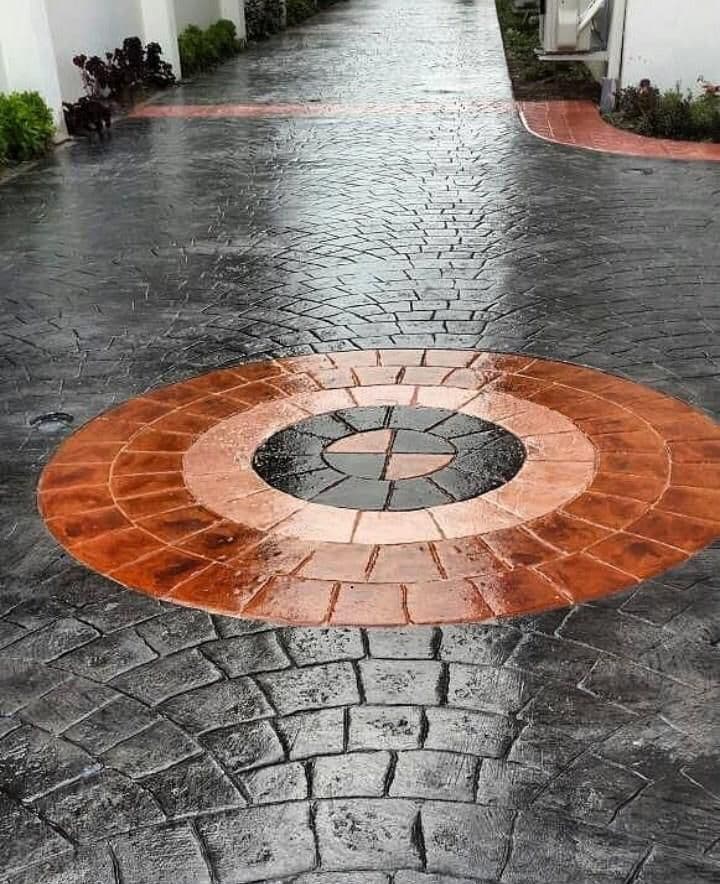
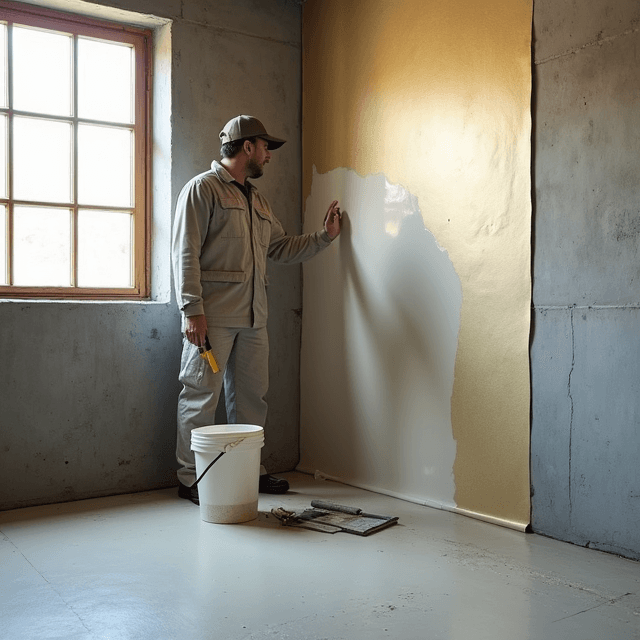
Decorative surface coatings offer an incredible way to transform ordinary surfaces into stunning architectural features. This comprehensive guide provides expert tips and techniques for applying various decorative coatings, including textured paints, metallic finishes, and specialized plasters. Surface Preparation: The Foundation of Excellence The key to achieving flawless decorative finishes lies in meticulous surface preparation. Begin by thoroughly cleaning the substrate, removing all dust, dirt, grease, and loose materials. For previously painted surfaces, assess the existing coating's condition and sand or strip if necessary. Fill any cracks, holes, or imperfections with appropriate fillers, ensuring a smooth, uniform base. Primer selection is crucial for optimal adhesion and finish quality. Choose primers specifically designed for your substrate type—whether concrete, drywall, metal, or wood. Allow adequate drying time between preparation steps, as rushing this phase often leads to finish failures later. Textured Decorative Coatings Textured coatings add depth and visual interest to any surface. Popular options include: • Stipple textures: Created using specialized rollers or brushes to achieve consistent patterns • Knockdown finishes: Applied thick and then flattened with a trowel for a subtle, organic appearance • Orange peel textures: Sprayed applications that create a citrus-like surface texture • Venetian plaster: Multi-layer applications that create marble-like depth and richness Application techniques vary by product, but consistency in pressure, direction, and timing is essential for uniform results. Metallic Finishes: Creating Luxurious Effects Metallic decorative coatings can transform spaces with sophisticated, reflective surfaces. These specialized coatings contain metallic particles that create depth and movement as light hits the surface from different angles. For best results with metallic finishes: • Apply base coats evenly to prevent streaking • Use cross-hatching techniques for consistent coverage • Work in manageable sections to maintain wet edges • Consider multiple thin coats rather than single thick applications • Protect finished surfaces with appropriate topcoats for durability Specialized Plaster Systems Decorative plasters offer unlimited creative possibilities, from smooth, polished surfaces to heavily textured architectural elements. Modern plaster systems may include: • Acrylic-based plasters for excellent weather resistance • Lime-based systems for traditional, breathable finishes • Polymer-modified plasters combining durability with workability • Aggregate-containing plasters for unique textural effects Common Application Challenges and Solutions Flash marks and uneven sheen often result from inconsistent application techniques or varying dry times. Maintain consistent pressure and overlap patterns while keeping wet edges active. Color variations can occur when mixing multiple batches. Pre-mix sufficient material for entire sections and box multiple containers to ensure color consistency. Adhesion failures typically stem from inadequate surface preparation or incompatible primer selection. Always follow manufacturer specifications for substrate preparation and primer compatibility. Weather conditions significantly impact application success. Avoid applying decorative coatings in direct sunlight, extreme temperatures, or high humidity conditions that can affect drying and curing. Tools and Equipment Professional-grade tools make significant differences in finish quality: • High-quality brushes and rollers designed for decorative applications • Specialized trowels and float tools for plaster work • Spray equipment for large-area applications • Color-mixing tools for custom tinting • Protective equipment including respirators and ventilation systems Maintenance and Longevity Proper maintenance extends the life and appearance of decorative finishes. Establish cleaning protocols appropriate for each coating type, avoiding harsh chemicals that might damage specialized surfaces. Regular inspections help identify potential issues before they become major problems. For exterior applications, consider UV protection and weather resistance when selecting products. Some decorative coatings may require periodic reapplication of protective topcoats to maintain their appearance and performance. Whether creating striking interior accent walls or impressive exterior facades, our comprehensive range of decorative coatings provides endless possibilities for aesthetic enhancement and surface protection. With proper preparation, application techniques, and quality materials, achieving professional-level decorative finishes is within reach of any project.

Read More
Understanding Mortar Types: A Comprehensive Guide
2025-07-03
Mortar

Understanding Mortar Types: A Comprehensive Guide

Mortar is a fundamental component in masonry construction, but not all mortars are created equal. This comprehensive guide breaks down the different types of mortar—Type M, S, N, O, and K—explaining their unique properties, strength ratings, and ideal applications. Type M Mortar Type M mortar is the strongest mortar mix with a compressive strength of at least 2,500 psi. It contains a high proportion of Portland cement, making it ideal for below-grade applications, foundations, retaining walls, and areas subject to high loads or severe weather conditions. The high strength comes at the cost of workability, making it less flexible than other types. Type S Mortar Type S mortar offers high tensile bond strength and is designed for structural applications where the masonry must withstand normal to high lateral forces. With a minimum compressive strength of 1,800 psi, it's perfect for exterior walls, chimneys, manholes, and other structural applications at or below grade. It provides excellent adhesion and moderate flexibility. Type N Mortar Type N mortar is the most commonly used mortar in residential construction. With a compressive strength of at least 750 psi, it offers good workability and weather resistance. This versatile mortar is ideal for general exterior construction above grade, including exterior walls, parapets, and areas exposed to severe weather. It balances strength, workability, and durability. Type O Mortar Type O mortar has a lower compressive strength (minimum 350 psi) but excellent workability. It's primarily used for non-load bearing interior walls, pointing work, and historic restoration projects where the mortar must match the original material's properties. Its high lime content makes it more flexible and breathable than stronger mortars. Type K Mortar Type K mortar is the weakest but most flexible mortar type, with a compressive strength of just 75 psi. It's specifically designed for historic preservation and restoration work where maintaining the building's original characteristics is crucial. Its high lime content allows for movement and prevents damage to historic masonry units. Mixing Ratios and Best Practices Proper mixing ratios are crucial for achieving the desired mortar properties. Type M typically uses 1 part Portland cement, 1/4 part lime, and 3 to 3.75 parts sand. Type S uses 1 part Portland cement, 1/2 part lime, and 4.5 parts sand. Proper water content, thorough mixing, and appropriate curing are essential for optimal performance. Application Tips Always match mortar strength to the masonry units being used. Softer mortars should be used with soft bricks or stones to prevent cracking. Consider environmental factors such as freeze-thaw cycles, chemical exposure, and moisture levels when selecting mortar type. Proper joint tooling and curing significantly impact the final performance and appearance of the masonry work.

Read More
Concrete Admixtures
2025-06-20
Admixtures

Concrete Admixtures

Admixtures that reduce water content are intended to provide a particular concrete strength at a significantly lower water-to-cement ratio than usual. A reduced cement percentage will lead to lower CO2 emissions and an overall lower energy usage rate per batch of concrete produced, which is one reason you might wish to use less cement in your concrete mix. Superplasticisers The main purpose of superplasticizers is to create flowing concrete. Concrete that flows is a very workable variety without compromising strength. It is frequently applied to regions with closely spaced reinforced steel and thin section placements. Accelerating admixtures Accelerating admixtures are used to reduce the time it takes for the concrete to fully set or to increase the rate at which the concrete strengthens over time. The most obvious use case for this would be if a project was on a very tight timeline or if the location was at risk from increasingly unpredictable weather. Calcium chloride is a necessary ingredient in the majority of accelerating admixtures. Shrinkage reducing admixtures Admixtures that reduce shrinkage are self-explanatory in that they lessen shrinkage that happens during drying. These kinds of admixtures are typically utilized in projects where shrinkage cracking may eventually cause structural issues. It's important to remember, though, that shrinkage-reducing admixtures can sometimes slow down the process of strength development in both the early and late phases of concrete curing. Air entrainment admixtures These sorts of admixtures are used to make concrete more resistant to freeze-thaw cycles. Thus, as you may guess, air-entrained concrete is especially useful in locations where there is a greater likelihood of freeze-thaw cycles. Air entrained concrete does, however, have a few additional advantages, such as a high level of workability and durability, so if you're searching for a versatile concrete, this might be it! Set retarding admixtures Admixtures that are set-retarding are exactly the opposite of those that are accelerating. In fact, they are employed to postpone the chemical reaction that initiates the setting process. Delaying this process can be beneficial since it counteracts the effect of increased outside temperatures, which can hasten the curing process. Therefore, you may need to investigate set retarding additives if your project falls during an exceptionally hot summer. We are Concreed, the preferred provider of concrete in India. We can obtain the precise kind of concrete you require for your ongoing project from anywhere in the capital, and we'll make sure it arrives on schedule and with minimum of hassle. Give us a call now to learn more about our concrete and the various admixtures we may use to create the ideal mix.

Read More